
The host
is an image.
Install one sealed, read-only image on bare metal — an appliance, not a distribution to maintain. Upgrades swap it atomically, and one reboot puts the previous one back.
Turn any Linux cloud image or Docker image into a real, isolated machine on hardware you own. Sealed by default, reversible in one reboot, and free on a single host.
One idea runs through the whole platform. Every layer starts as an image and is replaced by swapping that image — so nothing is assembled by hand, nothing drifts over time, and anything you change can be put back.
Install one sealed, read-only image on bare metal — an appliance, not a distribution to maintain. Upgrades swap it atomically, and one reboot puts the previous one back.
Pick a Linux cloud image or a Docker image and get a running machine. No install media, no setup wizard to click through, no converting anything by hand.
The boundary around a workload is hardware virtualization, not a namespace or a cgroup. One workload getting loose does not become every workload getting loose.
Take any Docker or OCI image and boot it as a real, hardware-isolated machine with its own kernel. Not a container sharing the host, and no manual conversion — the VM is the boundary.
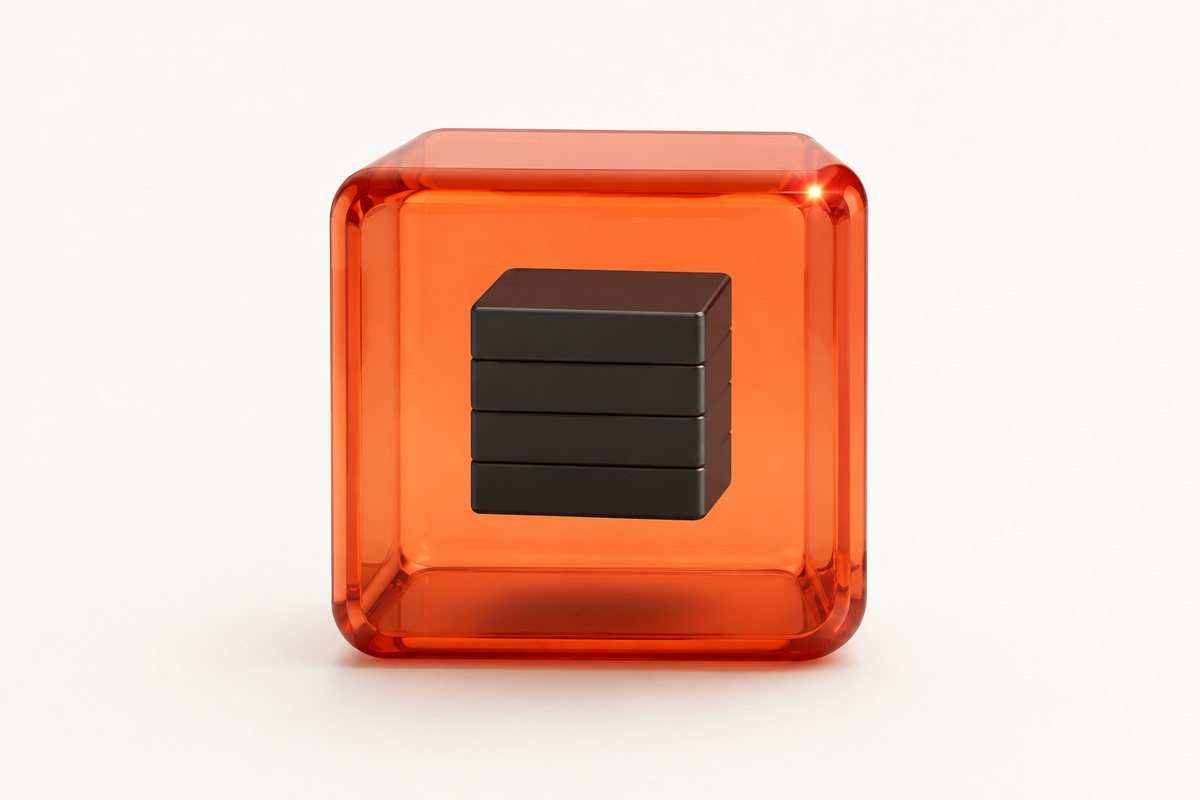
The host system is a read-only image — an appliance, not a distribution you have to keep maintained. Every release is checked byte for byte against the receipt its build produced. Upgrades are an atomic swap to a new revision; the previous one stays ready. If something looks wrong, one reboot rolls the whole host back — no half-applied states.
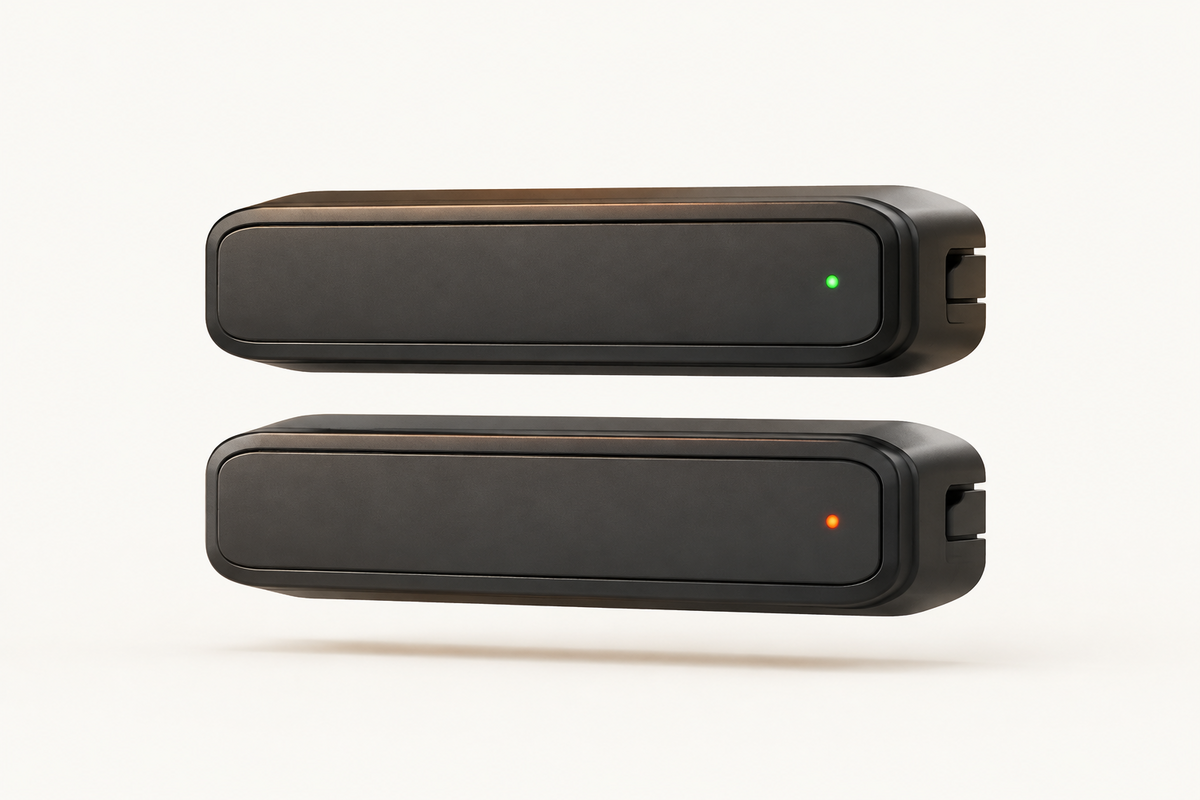
You don't wire together Kubernetes, a container runtime, a networking plugin, and a storage plugin — then keep them all alive. Virtainer is one platform to install, one to run, one to update.

A complete Linux server, or any Docker image running as a real machine.
Pool your drives with redundancy. A dead disk loses nothing; warnings arrive before failure.
Every machine gets a real spot on your network, with optional anti-spoofing and port isolation.
CPU, memory, and disk I/O bounds per machine, with safe oversubscription.
Homelabs, dev and test, single-server production
A serious platform without the licensing or the labyrinth. Free, forever, on the host you already own.
Teams running a fleet
Workloads that survive a failed server, managed from one place. A separate edition for clusters.
Install the complete single-host appliance today. Free is the single-host edition, generally available and free with no license keys. Pro is a separate edition for multi-host clusters, priced when it ships.
For one physical server, labs, pilots, and any team that wants real VM isolation without per-core licensing.
A separate edition for running a multi-host cluster as one system.